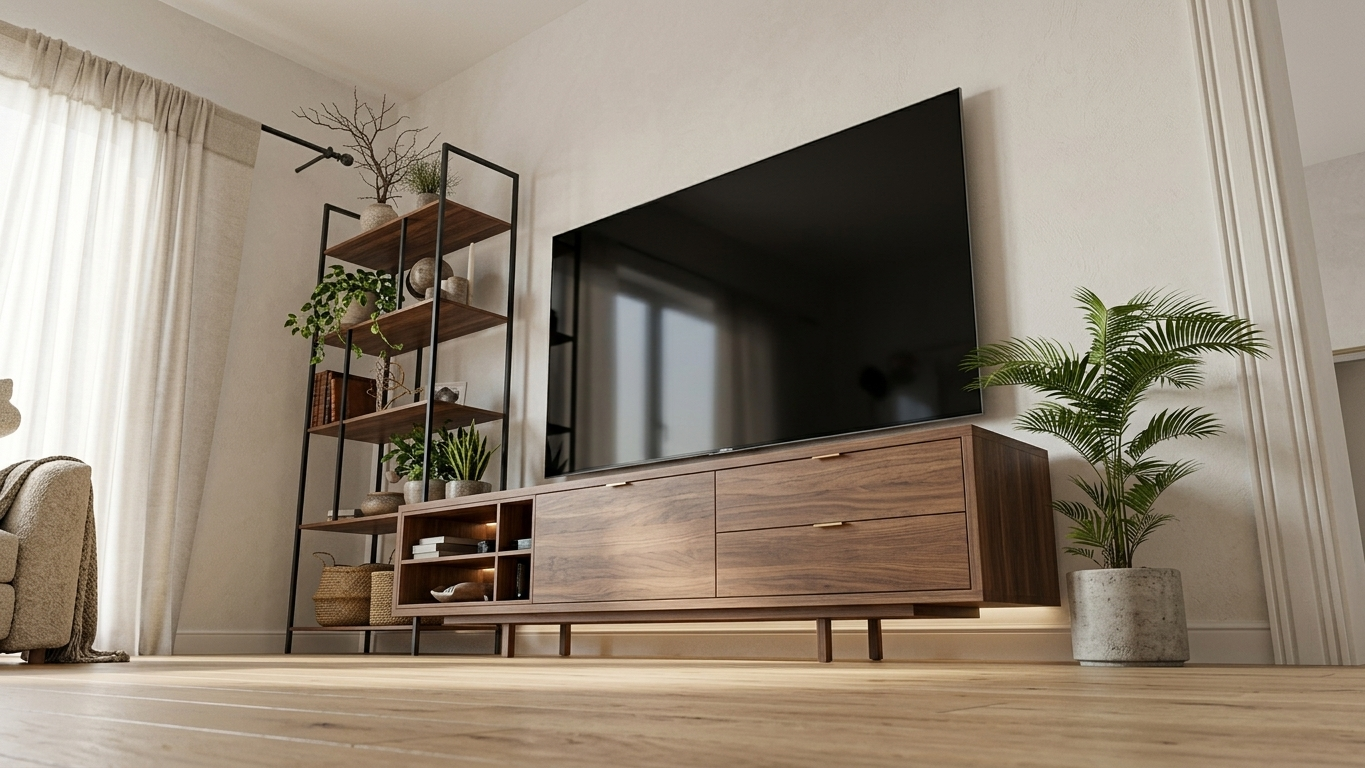
Faster Worlds, Smarter Production
How AI is helping us save over 40% building environments in days instead of weeks
At Fall Off The Wall, creating large-scale environments has always been one of the most ambitious parts of our production process. From giant warehouse builds and immersive home interiors to realistic neighbourhood streets, environment creation traditionally required extensive modelling, texturing, lighting, rendering, and revision time.
Now, AI-assisted workflows are allowing us to move faster than ever, amplifying our craft.
By integrating AI tools into our design and motion pipeline, we can prototype, visualise, and build environments dramatically quicker. We have worked on projects that have reduced production costs to over 40%, we have helped clients review creative earlier, iterate faster, and hit tighter deadlines more efficiently.
The Challenge
Environment creation has always been one of the most time-intensive areas of motion and CGI production.
Large spaces require:
- Detailed modelling
- Complex lighting setups
- Multiple camera-ready angles
- Texture creation
- Rendering optimisation
- Endless revisions and tweaks
Even relatively simple environments could take weeks to build to production standard.
For brands working to tighter timelines and budgets, that often meant compromise:
- Fewer scene variations
- Fixed angles
- Limited exploratory concepts
- Reduced realism
We always worked at speed but exploring AI tools enables us to find different ways to move even faster without sacrificing quality.

The AI Shift
AI-assisted environment building has dramatically changed the speed at which we can develop and visualise spaces. Rather than constructing every environment entirely from scratch, we can now use AI to rapidly establish realistic layouts, lighting moods, textures, and stylistic directions much earlier in the creative process.
However, for us the strongest results come from combining these AI-generated foundations with traditional CGI workflows. While AI can accelerate ideation and environment development, CGI still provides the precision, compositing control, animation flexibility, and consistency required for high-end commercial production. By using a hybrid workflow, we can move much faster during the early stages of production while still maintaining the creative control needed to deliver polished, production-ready visuals.
Sunbeam – Riviera Launch Film
One of our examples of hybrid AI & CGI production for us was the launch campaign created for Sunbeam’s Riviera range, a well-known Australian household brand looking for a premium social-first launch film delivered within a tight timeline and budget.
Traditionally, building a fully realised Riviera-inspired kitchen environment and lifestyle scene in CGI from scratch would have required significant modelling, texturing, lighting, rendering, and post-production time.
Instead, we used a hybrid production workflow combining traditional CGI and AI-assisted environment creation.
The hero products, toast animation, lighting glows, motion work, and post-production were created using traditional CGI techniques, while AI-assisted workflows helped rapidly develop the Riviera environment, kitchen build, and surrounding scene details.
By combining both approaches, we dramatically accelerated production while still maintaining the creative control and polish required for a premium branded campaign.
The result was a visually rich launch film delivered faster and more efficiently saving the client over 43% compared to a traditional full-CGI workflow built predominantly from scratch.
More importantly, the hybrid workflow allowed us to move quickly without compromising the overall creative quality, helping Sunbeam launch campaign-ready social content within demanding production timelines.
Reimagining CGI With AI
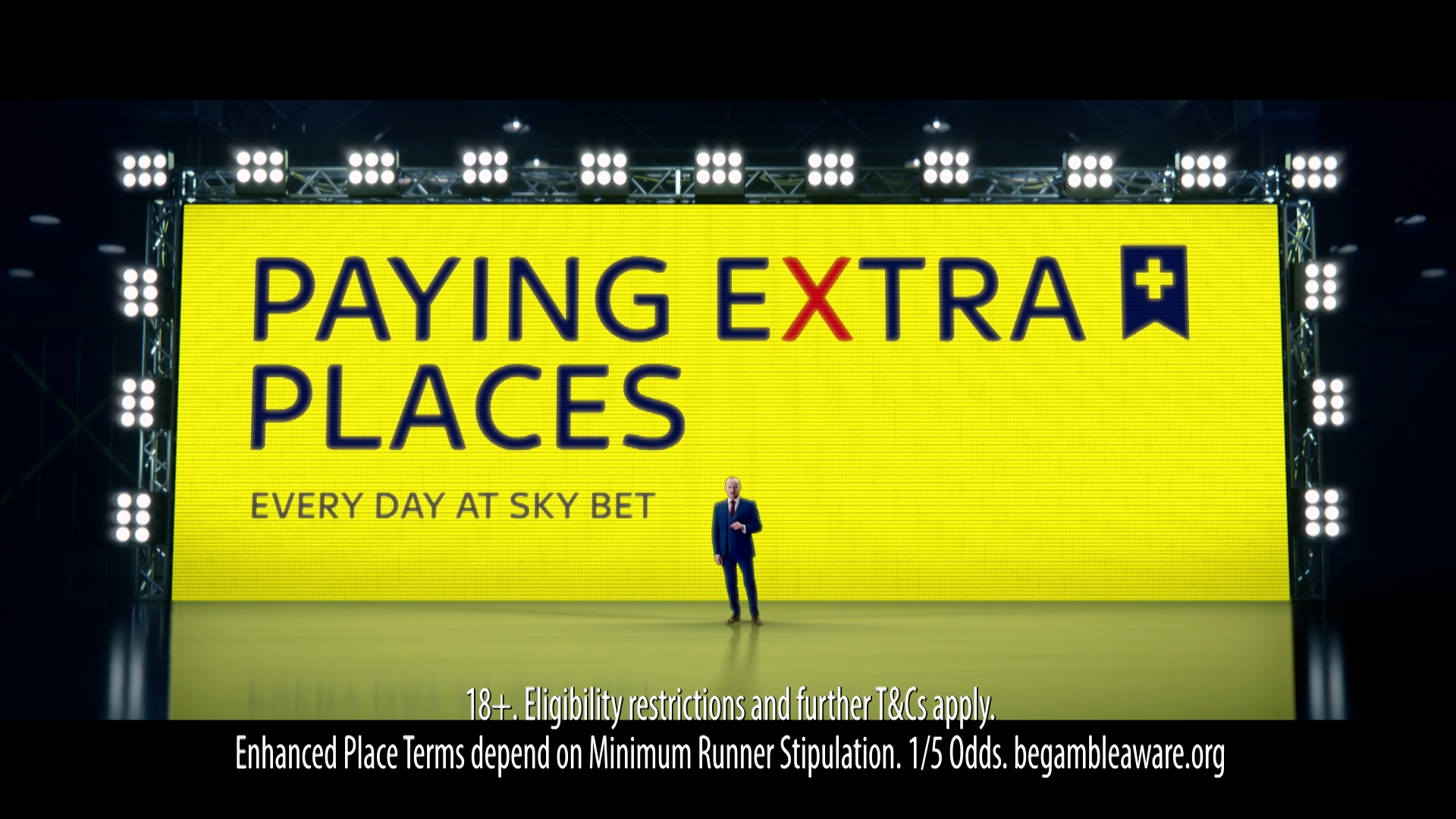
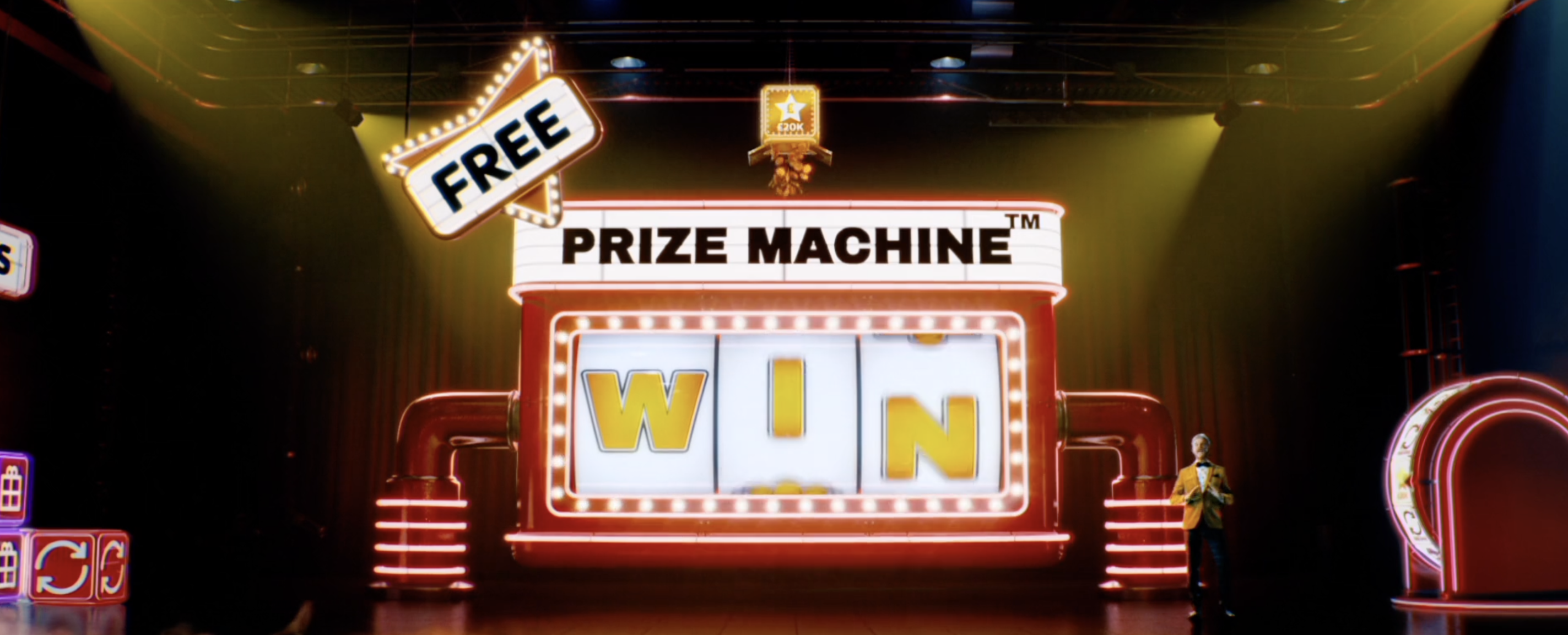
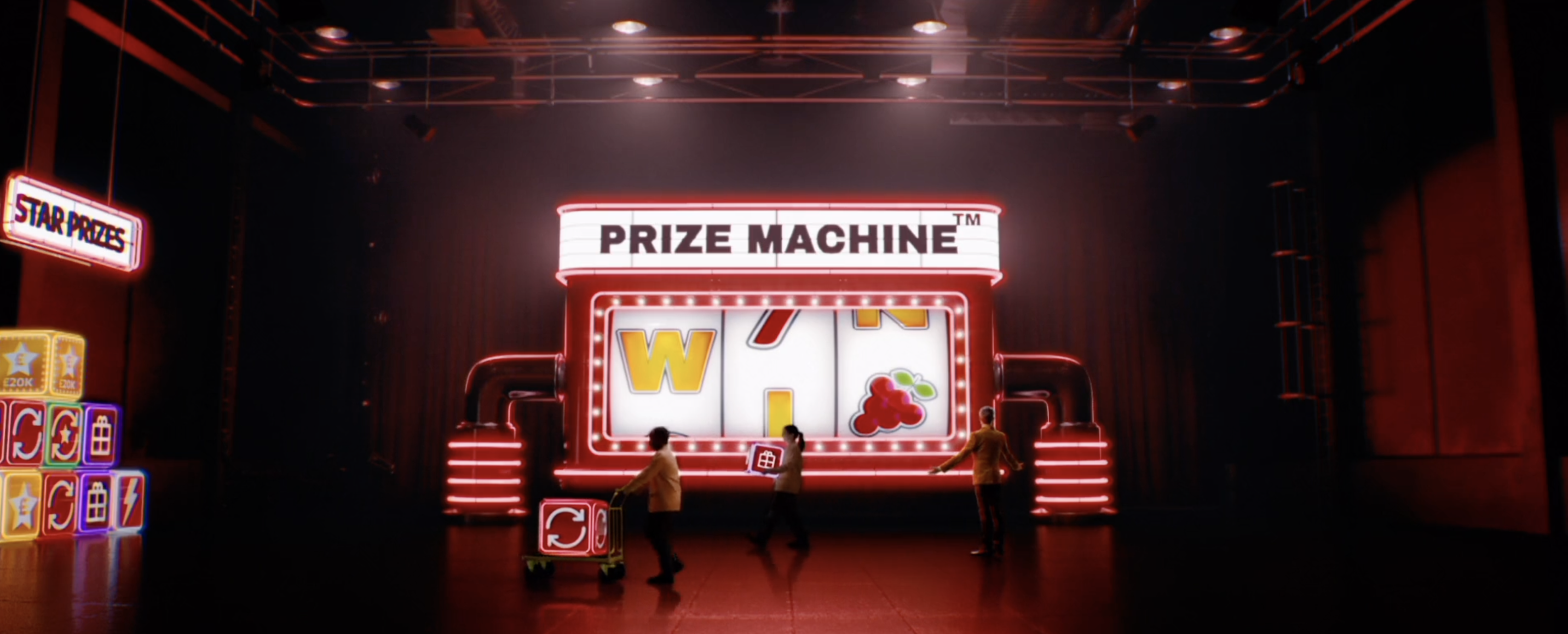
Sky Bet – Warehouse & Mega Screen
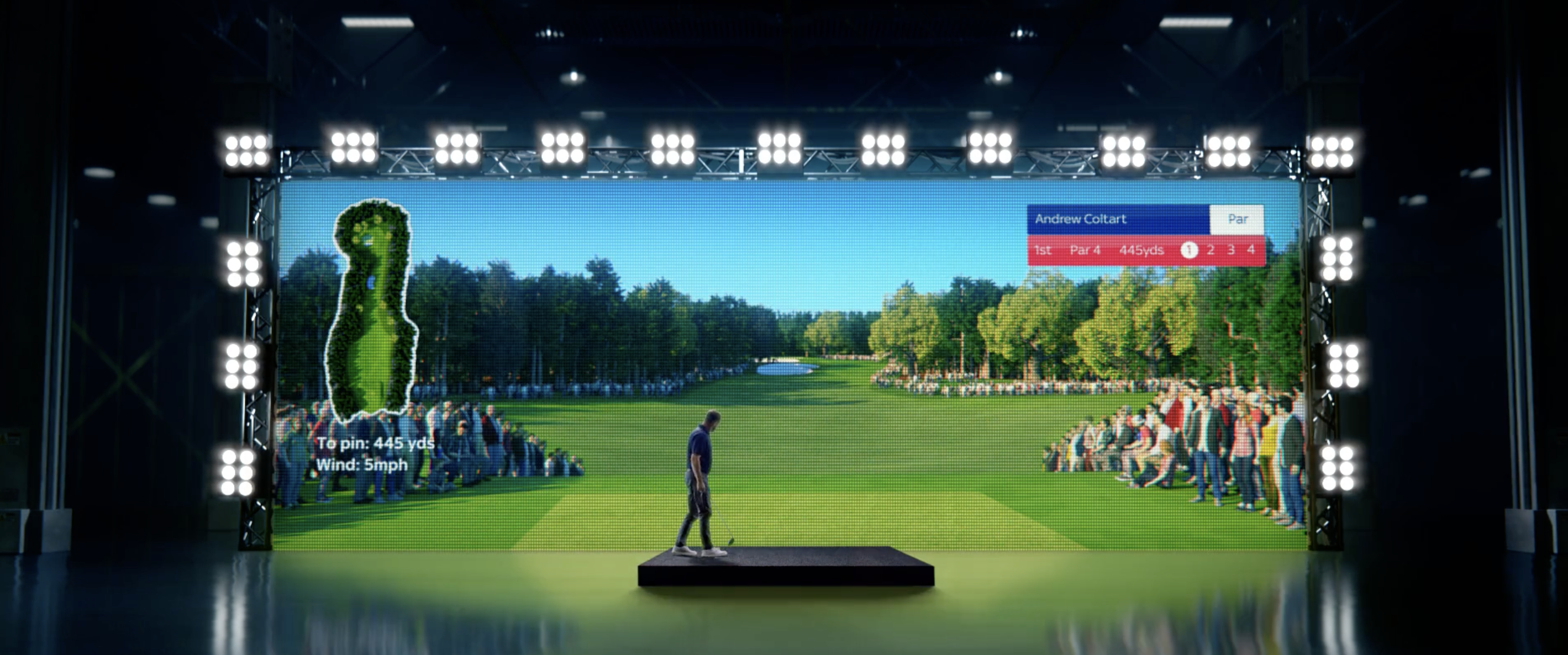
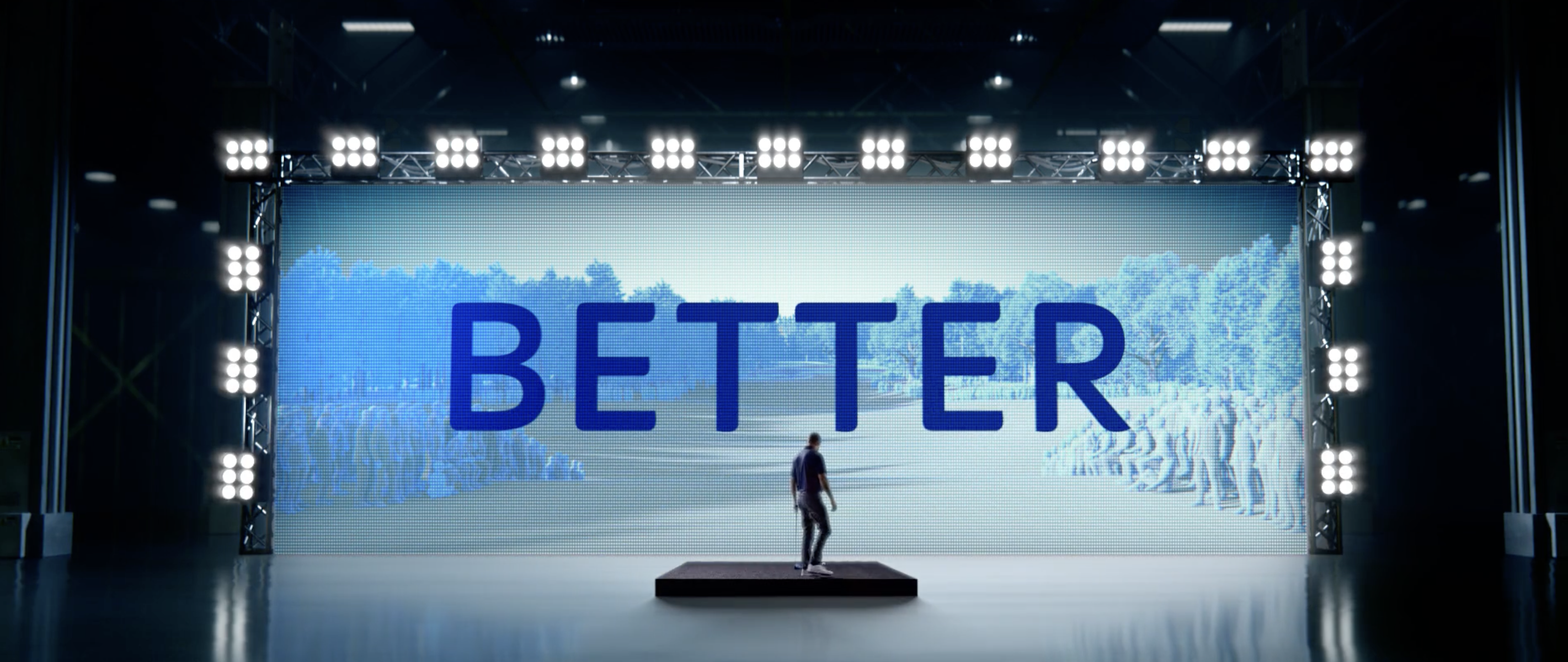
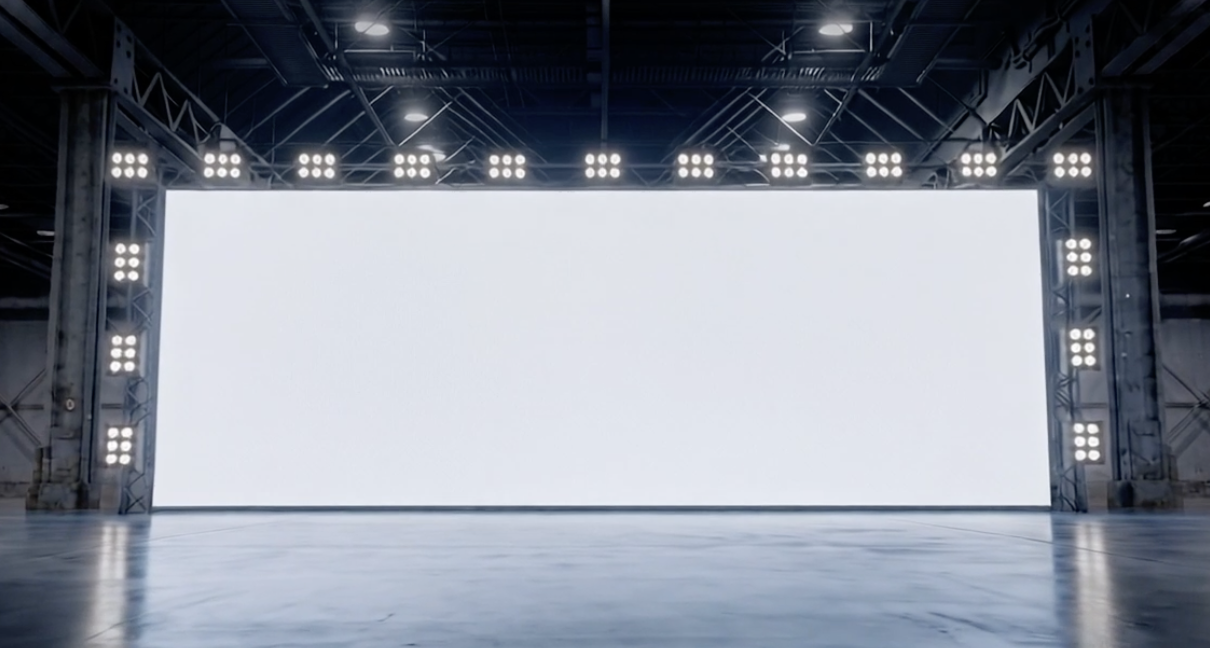
The original Sky Bet warehouse and mega screen environment was created using traditional CGI workflows, involving extensive modelling, lighting, texturing, scene development, and compositing to achieve the final production-ready result.
As part of our ongoing AI workflow testing, we revisited the project to explore how environments of this scale could now be recreated using AI-assisted techniques.
What we found was that large-scale warehouse spaces, lighting moods, textures, perspective, and environmental depth can now be generated far quicker than through traditional full-CGI builds alone.
Rather than replacing CGI entirely, the most effective approach is using AI to rapidly create and develop the environment itself, while still compositing key campaign elements, branded content, motion graphics, and hero assets using traditional CGI workflows.
This hybrid approach allows us to dramatically accelerate environment creation while still maintaining the control, consistency, and production quality required for commercial campaigns.
What previously took weeks of scene building can now move from concept to developed visual environments in a matter of days.
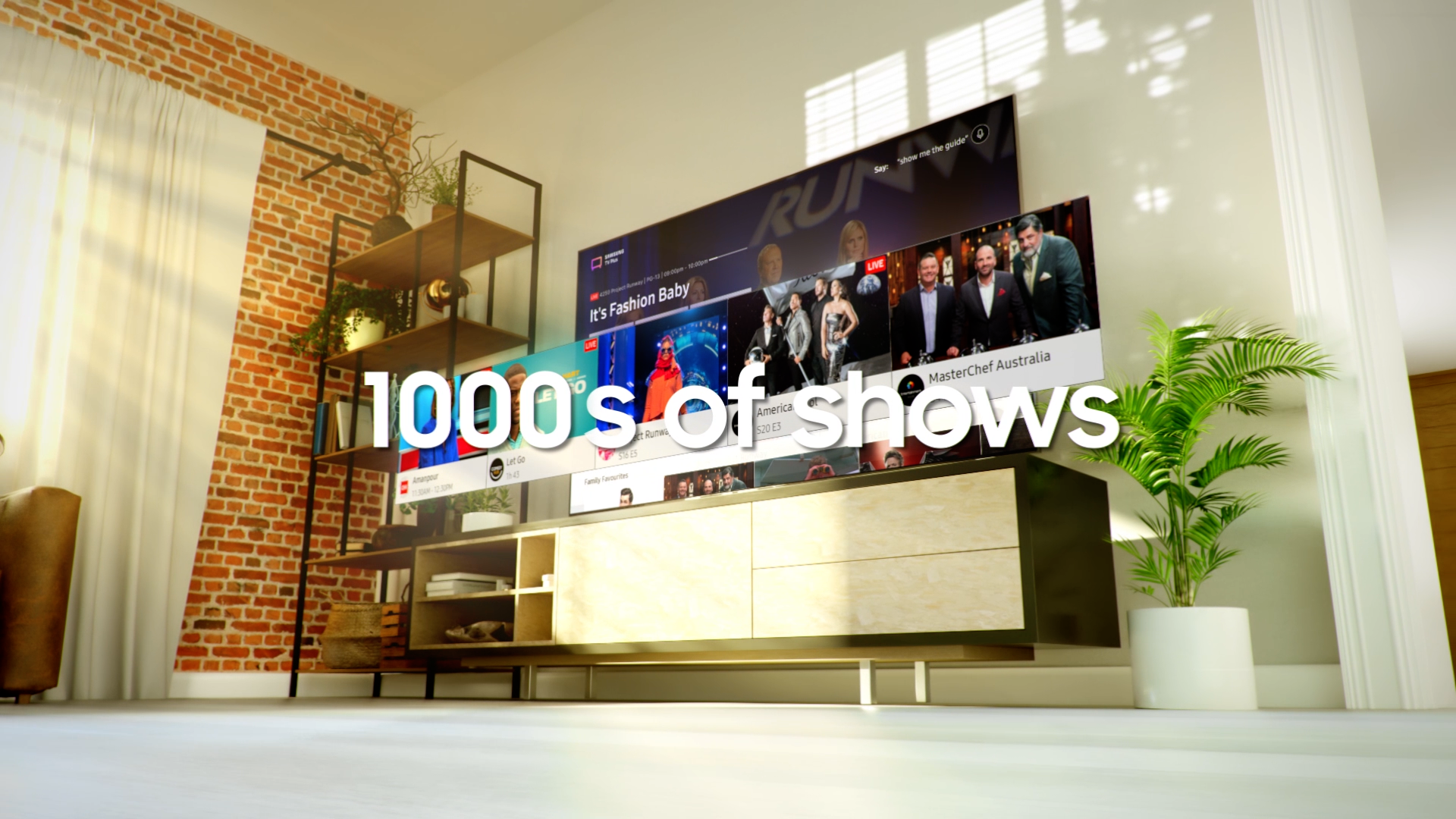
Sky Vegas – Recreating Existing Environments
The original Sky Vegas project was created using traditional CGI production techniques, combining large-scale digital environments with real on-screen talent filmed against green screen.
As part of our ongoing AI workflow testing, we explored how AI-assisted tools could now help accelerate both environment creation and parts of the compositing process.
Using AI-generated environment concepts, lighting references, textures, and spatial layouts, we can rapidly recreate the foundation of scenes that would traditionally require extensive manual environment building.
We also explored how AI-assisted keying and roto workflows could help speed up the process of integrating real talent into CGI environments. Traditionally, preparing clean green screen composites was highly time-intensive due to the frame-by-frame edge cleanup, hair detail refinement, spill correction, and lighting integration required to seamlessly blend real talent into CGI environments. AI tools are now helping improve speed and efficiency during these early compositing stages while still requiring artist refinement for final delivery.
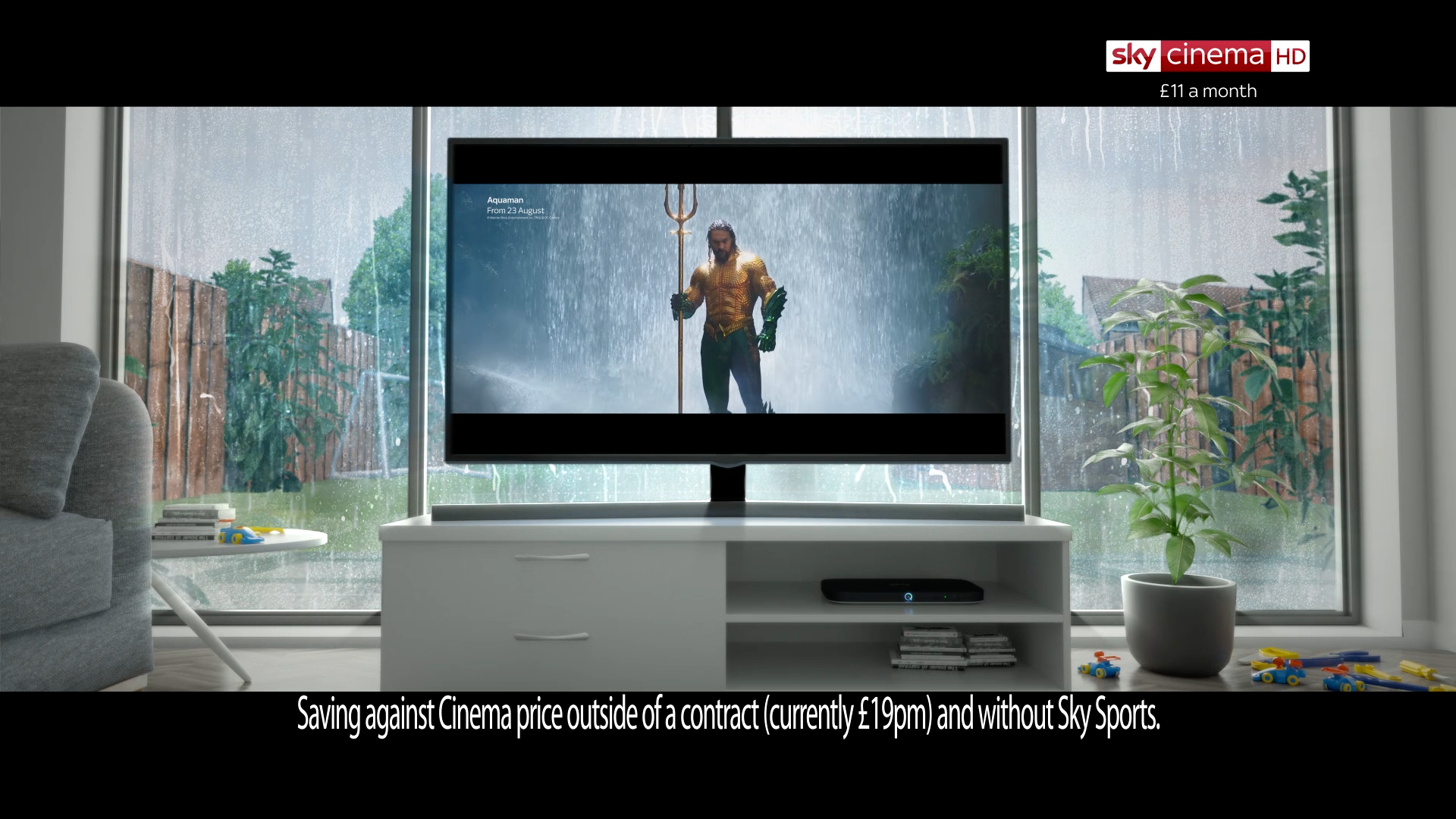
Sky Cinema – Building Realistic Home Spaces
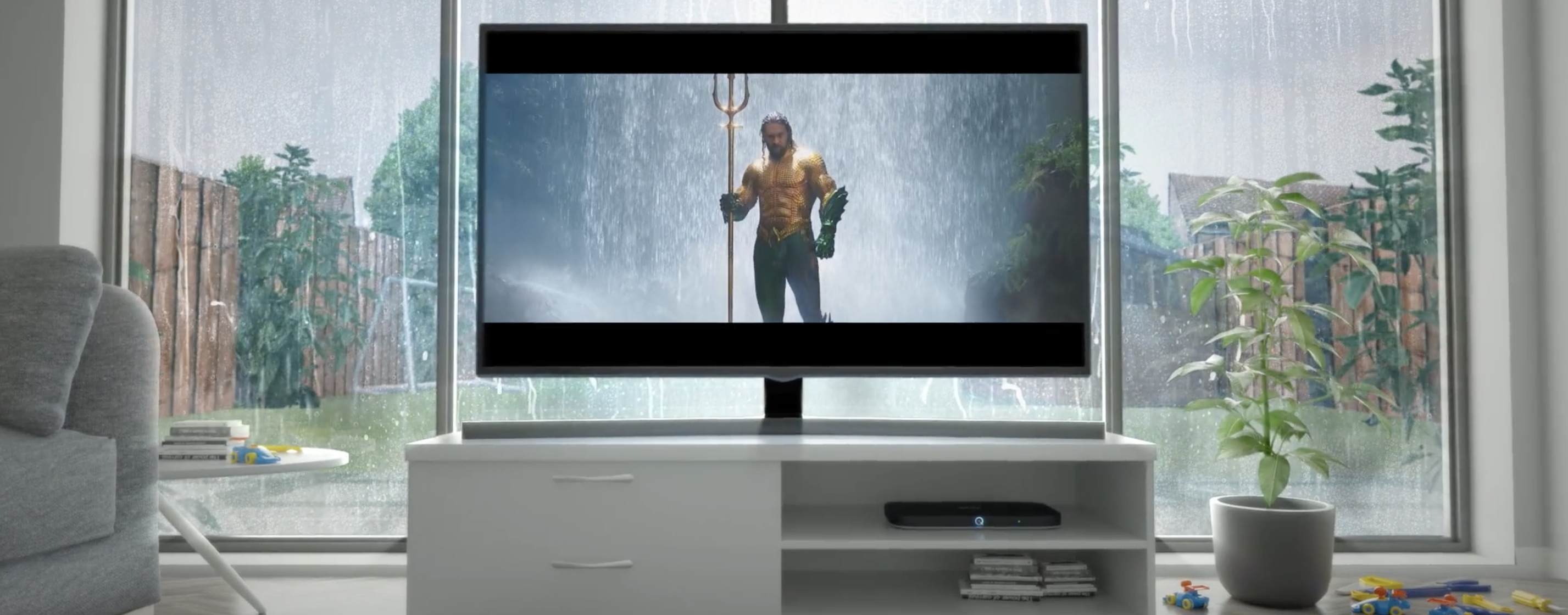
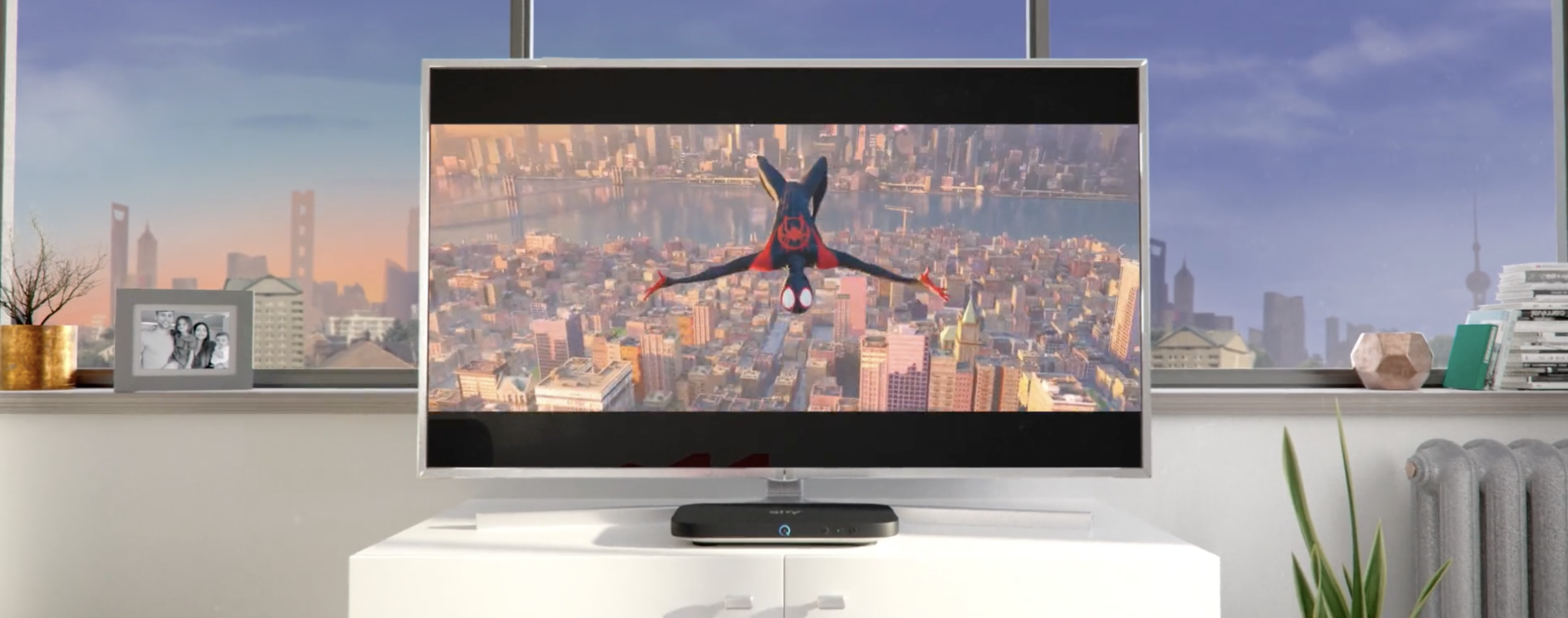
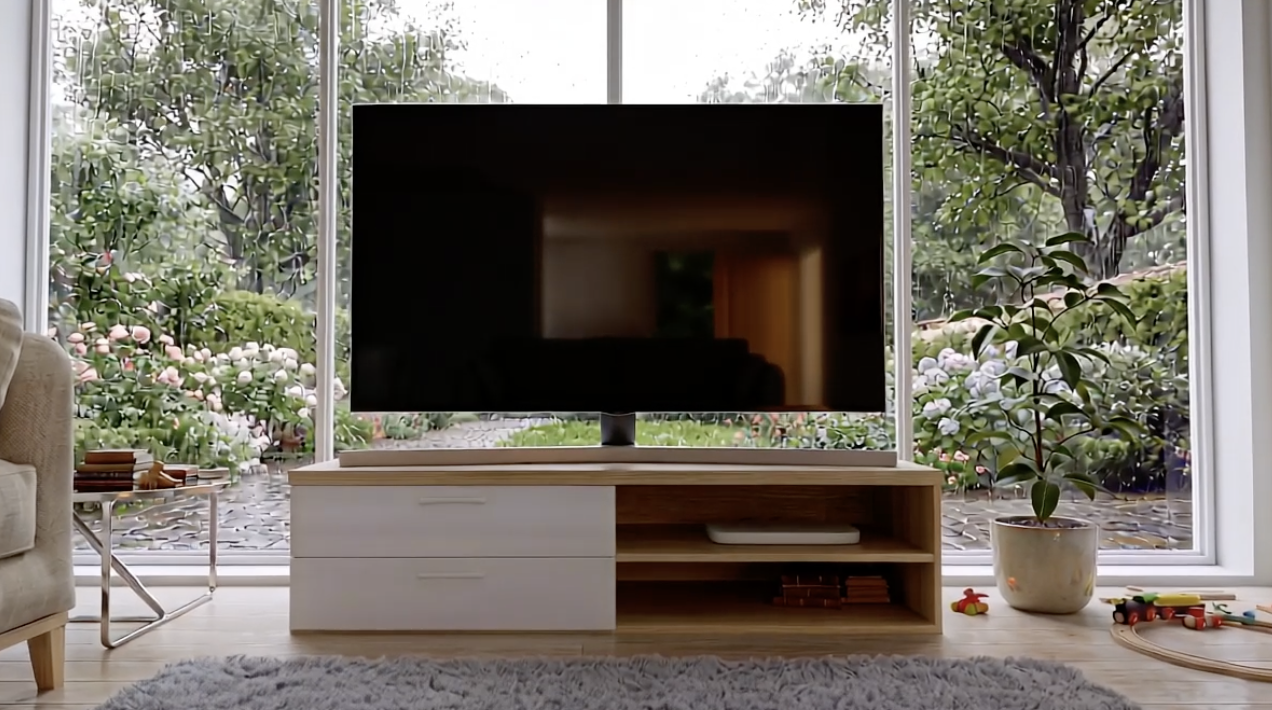
The original Sky Cinema interiors were built using traditional CGI methods, carefully crafted to achieve a believable cinematic home environment.
As part of our AI workflow exploration, we tested how AI-assisted techniques could now help recreate similar interior spaces much faster.
Home environments are deceptively complex, requiring realistic lighting, materials, reflections, styling, and spatial consistency to feel authentic on screen.
Using AI-assisted workflows, we can rapidly generate realistic room layouts, environmental textures, mood lighting, and styling references before refining and compositing the final scene using traditional CGI techniques.
This gives us greater flexibility during development, allowing multiple layouts, moods, and visual directions to be explored without significantly increasing production time.
Sky Ultrafast – Creating Realistic Neighbourhoods

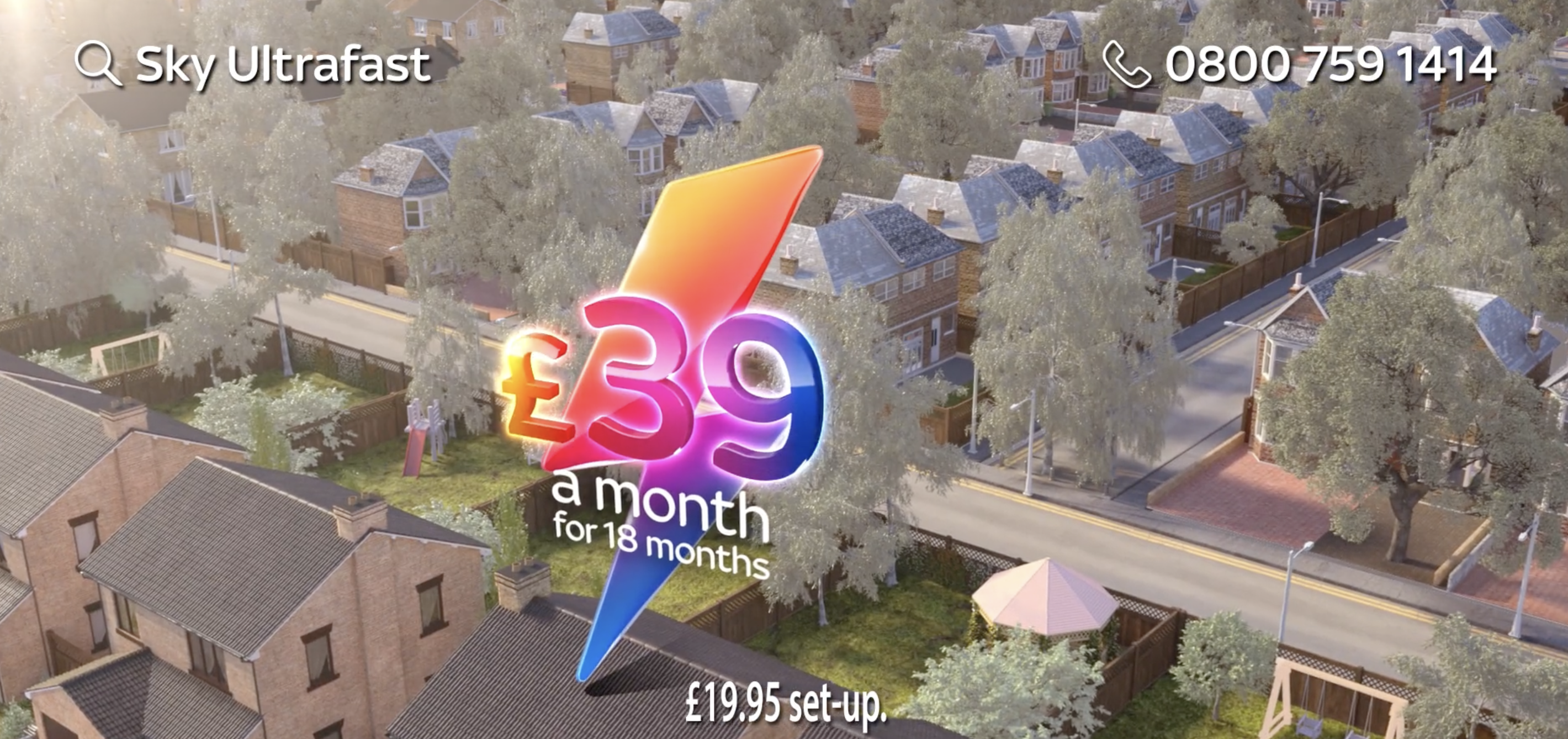
For Sky Ultrafast, the original intention was to push a highly realistic neighbourhood environment using traditional CGI, however budget and production constraints meant we could only take the world so far in terms of full environmental detail and scale.
In our AI testing phase, we explored how quickly we could now generate similar residential streets and surrounding environments using AI-assisted workflows. Interestingly, the results often came out too realistic — leaning into photographic realism that didn’t quite match the designed look and feel of the wider advert.
This highlighted an important creative consideration: while AI can dramatically speed up the creation of environments, it still requires careful direction and prompting to achieve the correct stylistic balance for a commercial campaign.
In this case, we would need to iterate further through prompting and refinement to bring the AI output in line with the established visual style of the piece. That said, it remains a significantly faster route for building out environment foundations, with CGI still playing a key role in compositing, control, and final creative alignment.
The Benefits for Clients
AI-assisted production is helping us become:
- Faster
- More agile
- More cost-efficient
- More experimental
- More collaborative during the creative process
Clients benefit from:
- Faster turnaround times
- Reduced production costs
- More visual options during development
- Quicker approvals and delivery
It also allows us to spend more time focusing on storytelling, motion, polish, and final creative quality rather than repetitive build processes.
The Reality Check
AI is powerful, but it is not perfect. There are still several limitations with current AI tools.
Our motion designers still play a critical role in shaping, refining, correcting, and elevating the final work.
The difference is that AI accelerates the starting point. It gives us a faster route into production-ready environments, while our designers, animators, and creatives still ensure the final work meets the quality standards clients expect.